March Moss Meadows: Faux Forest Floors for Autistic Grounding
As winter loosens its grip and the first hints of green emerge, many autistic children feel the shift in their bodies long before they see it in the trees. The world gets brighter, louder, and busier. School schedules shift toward more outdoor time, families spend longer at parks, and routines bend around the return of warm weather. For neurodivergent children—especially those who rely on predictable sensory input to feel safe—these seasonal changes can be both exciting and destabilizing.
“March Moss Meadows” is a calming, imaginative way to bring nature’s grounding power indoors using soft, faux forest floors. By designing moss-like mats from green yarn scraps and foam, you can create a barefoot-safe, sensory-rich pathway that supports proprioception, regulates the nervous system, and makes transitions gentler. Shared early in the season, these ideas can also raise awareness about nature deficit and offer parents practical inspiration through multi-sensory photos on Facebook.
In this blog, we’ll explore why grounding matters so much for autistic children, how faux forest floors can meet sensory needs without overwhelm, and how to build your own March Moss Meadows at home or in a neurodiverse school in Farmers Branch. We’ll also walk through simple multi-sensory layering ideas that photograph beautifully and translate into real-world tools for calmer transitions.
Why Grounding Matters for Autistic Bodies and Brains
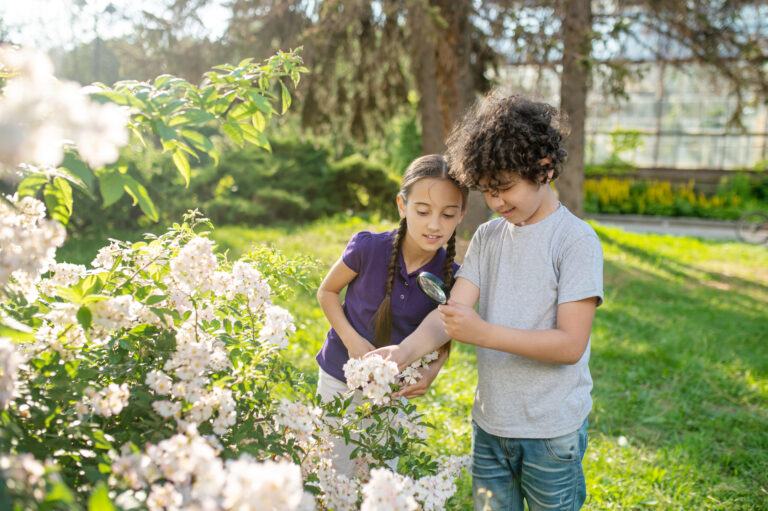
When you think of grounding, you might picture bare feet on grass or a quiet walk under trees. For many autistic children, these experiences can be powerful—but they can also be complicated. A bright sun, unexpected textures, buzzing insects, or unpredictable noises can turn an otherwise soothing moment into a sensory overload.
Grounding, at its core, is about helping the nervous system feel anchored and safe. It is especially important for children whose sensory systems process input differently. Proprioception—the body’s awareness of where it is in space—plays a central role. When proprioceptive input is reliable and consistent, a child is more likely to feel regulated, organized, and ready to learn or transition. When it is under- or over-stimulated, you might see:
- Frequent crashing into furniture, floors, or people
- Constant jumping, spinning, or pacing
- Difficulty sitting still, focusing, or following routines
- Heightened anxiety around transitions or schedule changes
Barefoot walking or crawling over intentional textures provides rich proprioceptive and tactile input. Instead of random, unpredictable sensations, faux forest floors create a controlled environment where the “ground” itself becomes a therapeutic tool. Each step or crawl offers deep, steady information to joints and muscles, which can help calm and organize the body.
In March, when schedules and environments start shifting with the season, adding a reliable grounding tool like a Moss Meadow can make a noticeable difference in how a child copes with those changes
Why March Is the Right Time for Moss Meadows
March sits in that “in-between” space—not fully winter, not fully spring. The weather swings, daylight changes, and families often feel a mix of anticipation and fatigue. For autistic children, all those micro-changes can add up.
At the same time, March is a key month for talking about nature deficit. Many kids today spend more time indoors and on screens than outside, and neurodivergent children are often further limited by sensory sensitivities, mobility differences, or lack of accessible environments. While outdoor experiences are valuable, they’re not always easily or safely accessible every day.
That’s where the idea of March Moss Meadows comes in:
- It brings the feel of nature indoors, in a predictable, controllable form.
- It honors the benefits of natural textures and grounding without forcing a child to push through overwhelming stimuli like buzzing crowds or unpredictable weather.
- It gives families and educators a way to talk about nature, sensory needs, and regulation using a positive, hopeful tone.
Posting these ideas early in March helps parents and caregivers plan the month with regulation in mind. It also lets programs share Facebook photos that highlight both creativity and sensory intentionality—showing that “nature” doesn’t have to be far away, complicated, or inaccessible.
What Is a March Moss Meadow?
A March Moss Meadow is a soft, faux “forest floor” made from layered materials that mimic moss and earth in a child-friendly, washable, and customizable way. Instead of real dirt and plants, you use:
- Green yarn scraps to simulate mossy textures
- Foam or foam mats to provide cushioning and structure
- Fabric, felt, or textured rugs as a base layer
The goal isn’t to create a realistic replica of a forest floor, but to evoke the feeling of one: soft, squishy, slightly uneven, and inviting to bare feet or crawling hands and knees.
Core features of a Moss Meadow include:
- Softness and safety – No sharp edges or rough surfaces
- Proprioceptive feedback – Layers that gently resist and cushion joints
- Tactile variety – Different textures that can be explored without pain or surprise
- Predictability – A consistent path or patch children can return to, day after day
You can make a single “patch” for a quiet corner or create a full pathway that leads from one area of a room to another—for example, from a play space to a reading nook, or from a classroom door to a circle-time rug.
How Faux Forest Floors Support Proprioception and Regulation
Barefoot crawling or walking on a textured surface engages multiple senses at once:
- Proprioception – Joints and muscles feel the gentle resistance of foam and layered yarn each time a child presses down.
- Tactile input – Skin on the soles of the feet and palms experiences soft, varied textures without harsh or scratchy sensations.
- Vestibular input – Crawling low to the ground or shifting weight across uneven surfaces gently stimulates balance and body orientation.
This combination can help many autistic children feel more grounded, particularly before or after challenging transitions such as:
- Leaving the house for school
- Returning home after a busy day
- Moving between structured and unstructured activities
- Shifting from indoor to outdoor play
By building predictable “forest floor” routines—like a two-minute barefoot crawl before homework, or a short Moss Meadow walk before bedtime—you’re telling the nervous system: “Here is a familiar, safe way to reset.”
For children who seek strong sensory input, the Moss Meadow can be a place to stomp, press, and push. For children who are more sensitive, it can be a gentle way to explore textures without the unpredictability of real grass, twigs, or mud. You can adjust how intense it feels by adding or removing layers, changing materials, or shortening the path.
Building Your Own March Moss Meadow
You don’t need a craft studio or big budget to create a faux forest floor. Most materials can be sourced from craft stores, discount shops, or repurposed from items you already have at home.
Step 1: Choose a Safe, Defined Space
First, pick where your Moss Meadow will live. Consider:
- A hallway leading to a bedroom or sensory corner
- A small strip near a reading nook or calm-down area
- A corner of a classroom or therapy room used for transitions
You want enough room for at least two to three steps or a few “crawls,” but it does not need to take over the whole room. Keeping it defined and consistent helps the child recognize it as “the grounding place.”
Step 2: Create the Base Layer
The base is what keeps everything stable, cushioned, and safe. Good options include:
- Interlocking foam floor tiles
- A thick yoga mat or playmat
- A folded comforter covered with an old sheet
Secure the base so it doesn’t slide—using rug grippers, non-slip liners, or setting it against a wall. Safety is non-negotiable: the goal is grounding, not slipping.
Step 3: Add the “Moss” Layer
Now comes the fun, creative part. To simulate soft moss:
- Cut green yarn into short pieces (1–3 inches) and scatter them in dense clusters.
- Use scraps of green fleece or felt cut into organic, uneven shapes.
- Add small patches of faux fur or plush fabric in forest colors (deep greens, browns).
You can attach pieces loosely so they can be rearranged or lightly stitch/glue them to a fabric layer that sits on top of the foam. If gluing, use non-toxic, flexible fabric glue and keep the surface checked regularly for loose pieces if your child mouths objects.
Step 4: Introduce Gentle Unevenness
Real forest floors are not perfectly flat, and a subtle unevenness can give extra proprioceptive feedback. You can:
- Place thin foam strips or rolled towels under certain areas to create “hills.”
- Layer areas with extra fabric or doubled foam squares.
- Add a few flat, soft “stones” made from stuffed fabric shapes.
The goal is subtlety. You don’t want tripping hazards, just enough variation so that feet and hands notice changes in pressure.
Step 5: Define How It’s Used
Before inviting your child, decide how you’d like the Moss Meadow to fit into your routines. A few possibilities:
- “Forest Crawl” before leaving the house in the morning
- “Moss Walk” when coming home from school
- “Quiet Steps” before bedtime reading
- “Transition Trail” between classroom centers
Keep initial expectations very low—an invitation, not a requirement. You might say: “This is our Moss Meadow. You can walk or crawl on it barefoot whenever you want a soft, calm place.” Then model it yourself: walk slowly, press your feet down, maybe take a few deep breaths as you go.
Multi-Sensory Layering: Turning Mats into Meadows
Once your basic moss mat is in place, you can build layers of sensory richness that still feel calming rather than overwhelming. Think of it as “sensory seasoning”—small additions that add meaning and interest.
Visual Layer
Soft, nature-leaning visuals can make the Moss Meadow more inviting:
- Place a few fabric or felt “leaves” and “stones” along the path.
- Use muted greens and browns rather than neon shades to keep the tone soothing.
- Hang a small forest or nature print above the area, or place a simple plant nearby (real or faux).
Tactile Layer
For more texture exploration:
- Add patches of ribbed fabric, corduroy, or crochet squares.
- Use different yarn thicknesses so some areas feel smoother and others feel more textured.
- Place a few removable “texture squares” off to the side so your child can pick them up, squeeze them, or place them on the Meadow.
Auditory Layer
Gentle, predictable sounds can enhance grounding:
- Keep a small “forest sounds” playlist (birds, soft wind, water) that you play quietly during Moss Meadow time.
- Use soft jingle bells sewn into a fabric stone so a tiny, predictable sound accompanies certain steps (only if your child enjoys this).
Olfactory Layer
Smell can be powerful, so use it cautiously and always with consent:
- Diffuse a very mild, child-safe scent nearby—like a hint of pine or lavender—if your child tolerates it.
- Keep scent separate from the mat itself so you can remove it easily if it becomes too much.
Proprioceptive Layer
If your child craves more deep pressure:
- Add a small weighted lap pad or soft weighted animal near the Moss Meadow to carry while walking it.
- Encourage slow, deliberate crawling where knees and hands press firmly into the layers.
- Pair the walk with “heavy work” afterward, like pushing a laundry basket or carrying small cushions.
These layers also give you rich content for Facebook photos—close-ups of textures, feet on different surfaces, hands pressing into fibers—with captions that explain how each piece supports regulation, not just aesthetics.
Using Moss Meadows to Support Transitions
Transitions are hard for many autistic children, and they often become even harder in transitional seasons like March. The Moss Meadow can act as a bridge between activities.
Here are a few practical routines you might try:
Morning Wake-Up Walk
Before screens, school bags, or breakfast chaos, invite your child to take a short barefoot walk on the Moss Meadow. Keep it predictable:
- 3 slow steps forward, pause, deep breath
- Turn, 3 steps back, pause, deep breath
You can name it something playful: “Forest Walk,” “Moss Steps,” or “Green Path.” The idea is to offer a simple sensory ritual that signals the body: “We’re starting the day grounded.”
After-School Reset
For children who attend autism-focused programs or inclusive classrooms, the school day can be full of stimulation, demands, and transitions. When they arrive home, emotions may be close to the surface.
Instead of jumping straight into homework, chores, or dinner, try:
- “Shoes off, Moss Meadow” is the first step after walking in the door.
- A short crawl or slow walk, perhaps with dimmer lighting and quiet voices.
- No questions or demands during those moments—just presence, safety, and sensory input.
If your child attends a neurodiverse school in Farmers Branch, you might even collaborate with the educational team to mirror a similar sensory pathway at school, so the child experiences parallel grounding rituals in both environments. That continuity can be incredibly soothing.
Bedtime Wind-Down Trail
Right before bedtime, a brief Moss Meadow walk can help shift the body from “go” mode to “rest” mode. You might combine it with:
- A simple phrase: “Soft feet, soft body, soft thoughts.”
- A favorite calming song or hum while walking the path.
- A final deep pressure hug or squeeze after stepping off the mat.
The key is consistency. Over time, your child’s nervous system begins to associate the Moss Meadow with safety, calm, and transitions that remain predictable—even when the outside world is changing.
Sharing Moss Meadows on Facebook for Nature Deficit Awareness
Posting early in March gives you a beautiful opportunity to combine education, advocacy, and inspiration. When you share photos of your March Moss Meadows on Facebook, consider how you can:
- Highlight the importance of nature-inspired sensory experiences for autistic children.
- Normalize the idea that “nature” can be creatively adapted for accessibility.
- Offer practical tips that other parents can realistically try.
Photo ideas include:
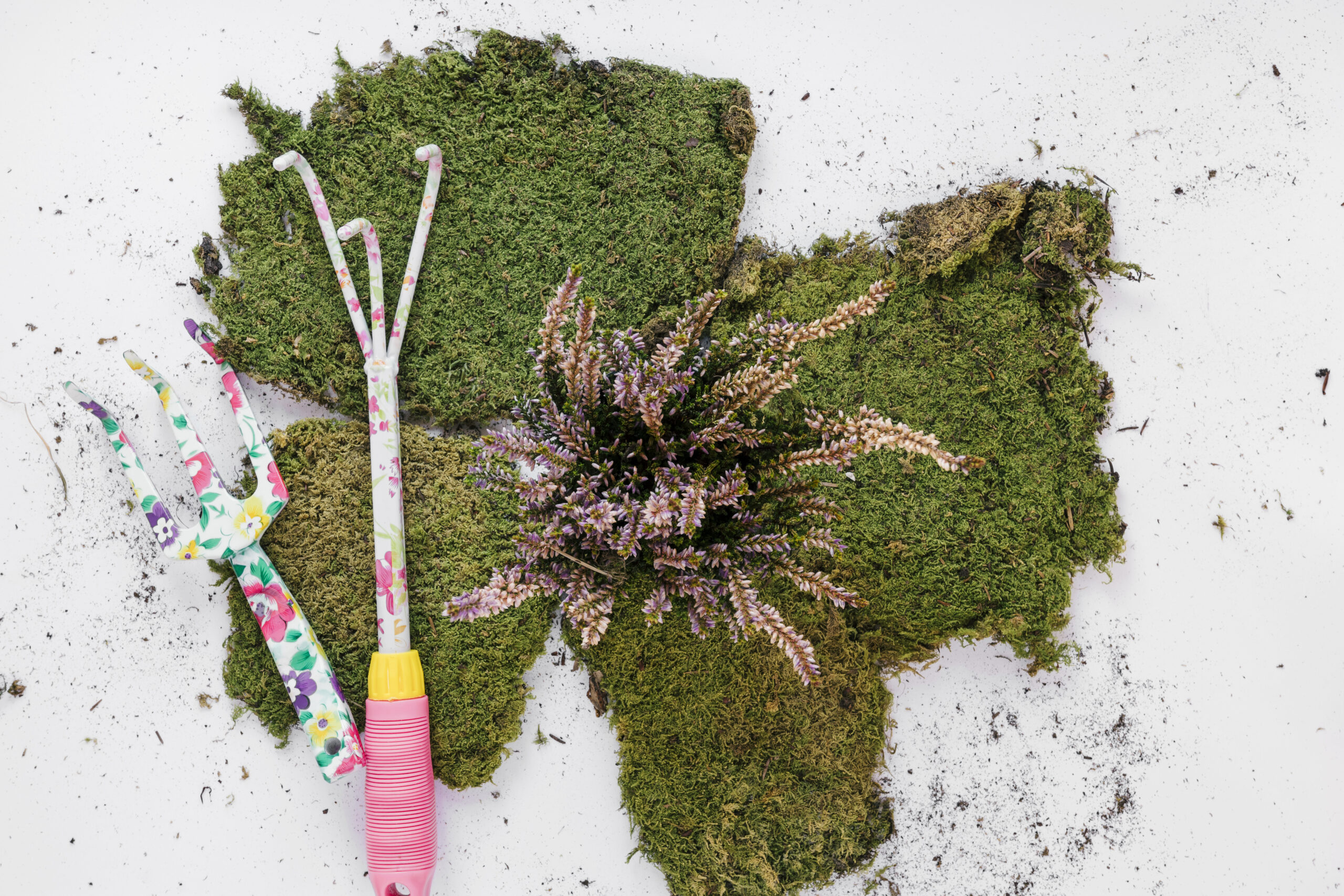
- A bird’s-eye view of the full faux forest floor, showing layers and color variations.
- Close-up shots of bare feet or little toes pressing into yarn “moss.”
- A sequence of images showing how a simple foam mat becomes a layered Meadow over time.
Caption ideas:
- “Bringing the forest floor indoors this March to help our autistic kids ground and regulate—one soft step at a time.”
- “Nature deficit is real, especially when sensory sensitivities make outdoor spaces hard to navigate. Faux moss mats give us a gentle, accessible way to connect with nature’s calm.”
- “Multi-sensory layers: yarn moss for touch, foam hills for joints, soft forest colors for eyes. Small steps, big grounding.”
By pairing visuals with reflection, you’re not just sharing a cute idea—you’re modeling a mindset that honors sensory needs and celebrates creative adaptations. Other parents can see that support doesn’t have to be expensive, clinical, or complicated; it can start with yarn scraps, foam, and intention.
Honoring Each Child’s Sensory Profile
No two autistic children experience sensory input the same way. A Moss Meadow that soothes one child might feel confusing or even aversive to another. That’s why flexibility and observation are so important.
Watch for signs your child is enjoying the experience:
- Slower, more deliberate steps or crawls
- Softening shoulders, deeper breaths, a relaxed facial expression
- Choosing to return to the mat on their own
Also watch for signs of discomfort or overload:
- Grimacing, pulling away, or refusing to step on the mat
- Quick, frantic movements across the surface
- Increased agitation, protesting, or avoidance
If something seems off, you can:
- Remove a layer that might be too intense (like a very scratchy fabric).
- Shorten the path so it feels less demanding.
- Allow socks at first instead of insisting on bare feet.
- Offer the Moss Meadow only as an option, not a requirement.
Your child’s autonomy is part of what makes the Meadow truly grounding. When they know they can say “no” or “not yet,” they’re more likely to eventually say “yes” in a way that is meaningful and self-chosen.
A Soft Path into Spring
As March unfolds and the world outside grows busier, brighter, and greener, your child doesn’t have to face those changes alone or unprepared. A March Moss Meadow is more than a craft—it’s a soft path into spring, designed with autistic nervous systems in mind.
By layering yarn, foam, and fabric into a faux forest floor, you’re also layering safety, predictability, and care into your child’s daily rhythm. Barefoot steps become grounding rituals. Crawling becomes communication: “I’m here, I’m safe, I know this path.”
And when you share those mossy, multi-sensory moments on Facebook—highlighting nature deficit, celebrating neurodiversity, and offering practical inspiration—you extend that soft path to other families, too. You remind them that grounding doesn’t have to be grand; it can live right there on their floor, a small patch of homemade forest where a child can return, again and again, to find their footing in a changing world.