March Bloom Bins: Spring Sensory Awakening for Autistic Minds
As winter melts away and early spring peeks through in North Texas, many autistic children feel the season change long before they can express it in words. The light is brighter, the air feels different, and routines start to shift as “spring fever” hits schools, parks, and neighborhoods. For neurodiverse minds, those subtle changes can feel exciting, confusing, and sometimes overwhelming all at once.
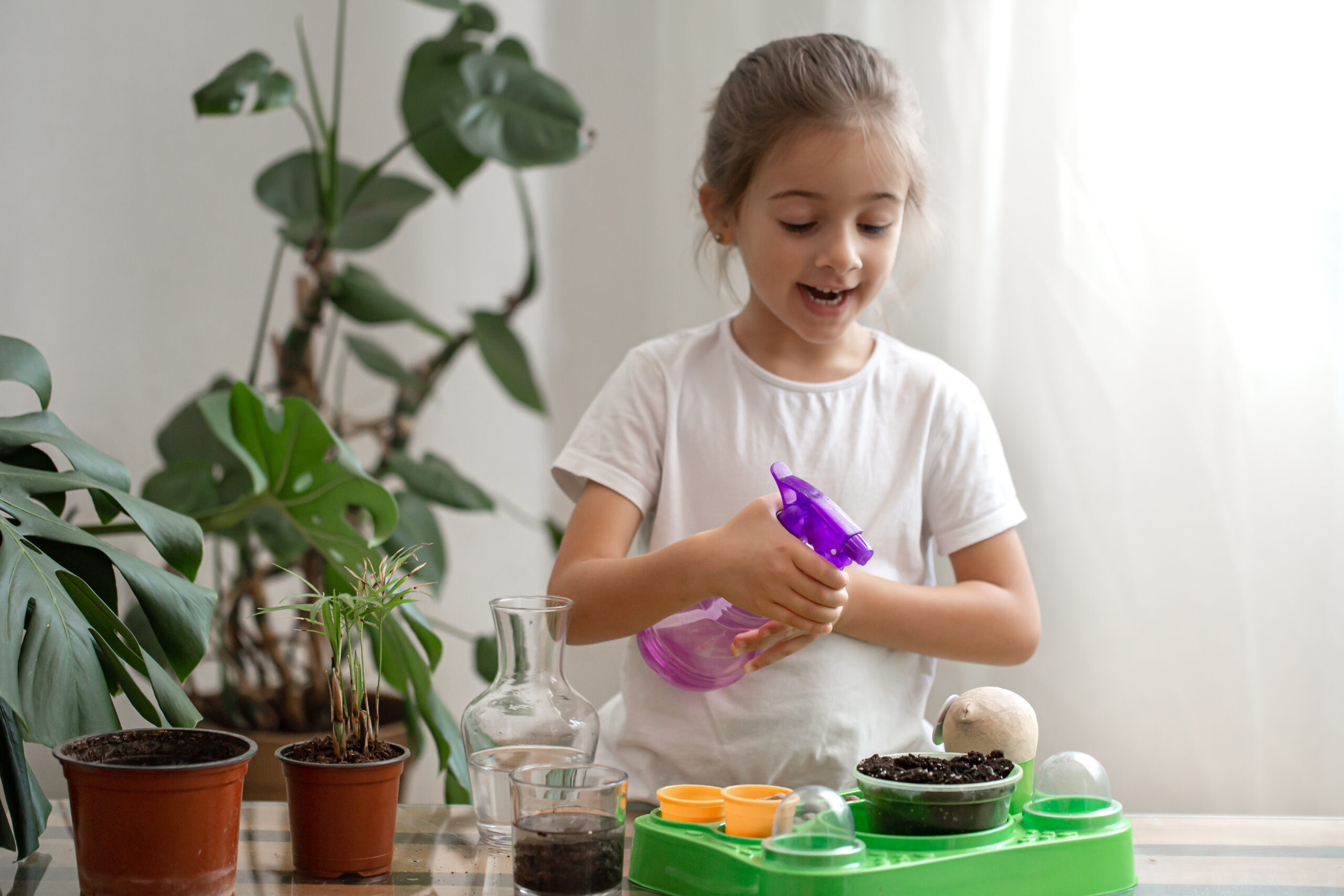
Thoughtfully designed “March Bloom Bins” offer a gentle, playful way to introduce spring—using outdoor-inspired textures like faux grass, flower petals, and soil—so autistic children can explore seasonal changes at their own pace, without sensory overload. These sensory bins turn the sights and feels of spring into something predictable, cozy, and safe, while building fine-motor skills, communication, and joy.
Why March Is the Perfect Month for Spring Sensory Bins
March is a natural transition month: it doesn’t feel fully like winter or fully like summer, especially here in North Texas. That “in-between” season can be tricky for autistic children whose nervous systems are finely tuned to change. You might notice:
- Clothing battles when the weather swings from chilly mornings to warm afternoons.
- Increased anxiety around outdoor play, new smells, or sudden windy days.
- Energy surges (“spring fever”) that show up as restlessness, meltdowns, or difficulty focusing.
By introducing spring-themed sensory bins in early March, you give your child a “warm-up lap” for the season. Instead of suddenly encountering scratchy grass, buzzing bugs, and bright sun all at once outside, they can first experience soft faux grass, silk petals, and controlled soil textures inside a familiar environment.
This is especially helpful if your child attends a program or school for autism in Farmers Branch, where spring field trips, outdoor recess, and community outings often ramp up as the weather improves. Giving them a sensory “preview” at home can make those school and community experiences feel much safer and more predictable.
The Benefits of Spring Sensory Bins for Autistic Children
Sensory bins are more than a cute Pinterest idea—they are evidence-informed tools for regulation, learning, and connection, especially for neurodiverse children. When you build March Bloom Bins with intentional textures and simple routines, you support your child in several powerful ways.
1. Easing into Seasonal Change Without Overwhelm
Many autistic children thrive on predictability and sameness, so the sensory “shock” of a new season can feel like too much, too fast. A spring sensory bin brings small pieces of the season into a container they can approach—or walk away from—on their own terms.
- Faux grass can introduce the look of green lawns without the itchiness or smell.
- Silk or craft flower petals provide the visuals of blooming gardens without pollen or bees.
- Clean potting soil or soil-like textures let them dig, pour, and explore “dirt” without mud on their clothes.
Because the bin is bounded—literally contained—children know where the sensory experience begins and ends, which reduces anxiety. They can also control how long they engage, which is vital for self-advocacy and regulation.
2. Supporting Sensory Regulation and Body Awareness
It’s a Sensory World! uses a Pyramid of Learning model that recognizes sensory and motor development as the foundation for higher-level skills like academics, communication, and social success. Spring bins support that foundation by offering:
- Deep pressure and proprioceptive input through scooping, digging, and burying items.
- Tactile experiences that can be graded from “easy” (smooth petals) to “challenging” (grainy soil or rough twigs) based on your child’s needs.
- Opportunities for bilateral coordination (using both hands together) through pouring, transferring, and sorting objects.
For some children, this kind of focused sensory play helps them feel calmer and more organized, making transitions and communication a bit smoother afterward.
3. Building Fine-Motor Skills Through Play
You don’t have to choose between therapy goals and fun. Sensory bins can do both. When you place intentionally small or detailed items in your March Bloom Bin, you’re giving your child a “gym” for their fingers.
Fine-motor skills you can practice inside a bin include:
- Pincer grasp: Picking up small flower petals, tiny bugs, or plastic seeds with fingertips.
- Hand strength: Squeezing scoops of soil, squeezing spray bottles, or pinching tweezers.
- Tool use: Using measuring cups, small shovels, and tongs to move materials.
Because the experience is sensory-rich and child-led, many autistic children stay engaged longer than they would in a more formal “hand exercise.” That repetition is what gradually builds strength, coordination, and confidence.
4. Encouraging Communication and Social Interaction
Sensory bins also create natural opportunities for communication—whether your child uses speech, gestures, AAC, or a mix of modalities. You can label, comment, and model language without drilling or quizzing.
Try simple phrases:
- “Green grass.”
- “Soft petals.”
- “Dig in the dirt.”
- “Where’s the flower?”
If siblings or peers join, you can practice turn-taking, joint attention (“Look! You found the bug!”), and cooperative play (“You plant, I water”).
Designing Your March Bloom Bins: Outdoor-Inspired, Indoor-Friendly
You don’t need a big backyard or a perfect craft setup to make effective March Bloom Bins. Most materials can be reused across the season, and you can adjust complexity based on your child’s comfort.
Core Textures for a Spring Sensory Awakening
Think of your bin as a mini sensory garden. Choose 1–2 base textures and 3–5 “detail” items:
- Base textures (pick one to start):
- Faux grass mats or shredded paper “grass” in shades of green.
- Sterilized potting soil, dry coffee grounds, or soil-like kinetic sand.
- Dried black beans or green rice for a more “clean” alternative that still feels spring-like.
- Spring details:
- Silk or foam flower petals and leaves.
- Plastic bugs, butterflies, birds, or small garden tools.
- Mini flowerpots, plastic eggs, or tiny watering cans.
Start simple. If your child is tactile-avoidant, begin with faux grass and petals only, and keep their preferred tool (like a spoon or cup) in the bin. You can add soil or more complex textures later as their confidence grows.
Green-Themed Visuals for Facebook-Worthy Moments
You already know parents love fresh, hopeful visuals in early spring—especially around St. Patrick’s Day and the first warm weekends. A March Bloom Bin is naturally photogenic and can become a go-to photo opportunity for your family or your organization’s Facebook page.
Focus on:
- Pops of green: Faux grass, green rice, shamrock shapes, or green scoops.
- Simple backgrounds: A neutral table or tray so the bin stands out in photos.
- Hands-in-action shots: Close-up photos of little fingers pinching petals, pouring “soil,” or lining up flowers.
When you share these images on Facebook, pair them with short, parent-friendly captions that highlight both fun and function:
- “Fine-motor practice disguised as spring fun.”
- “Previewing spring textures at home to make outdoor adventures feel safer.”
- “Green-themed sensory play to channel that spring fever energy.”
This kind of content not only engages parents visually but also gives them quick, actionable ideas they can try at home.
Three March Bloom Bin Ideas to Try This Week
Here are three ready-to-go bin themes you can adapt for your child, classroom, or program.
1. Gentle Garden Bin
Perfect for children who are new to sensory bins or cautious about touch.
- Base: Shredded green paper or faux grass mat.
- Add-ins: Silk flowers, foam leaves, a few large plastic bugs, and wide-handled scoops.
- Play prompts:
- “Plant the flower” (push stems into the grass).
- “Find the bug” (hide them under petals).
- “Sort by color” (make piles of different flowers).
This bin is visually rich but tactilely “soft,” ideal for easing into spring themes without messy or sticky sensations.
2. Spring Soil Explorer Bin
Great for kids who love to dig, dump, and explore more intense textures.
- Base: Potting soil or a soil substitute like dry coffee grounds or crumbled paper.
- Add-ins: Small flowerpots, plastic seeds, toy worms or bugs, mini shovels.
- Play prompts:
- “Plant the seeds” (bury beads or “seeds” in the soil).
- “Dig for worms” (hide and seek toy bugs).
- “Fill the pot” (scoop and pour soil into containers).
If you’re concerned about mess, take this bin outside on a patio or place a sheet under the play area. For some children, the weight and resistance of soil offer incredibly calming input.
3. Lucky Green Fine-Motor Bin
This one taps into March’s green-and-gold theme while prioritizing hand skills.
- Base: Green rice, dried peas, or green/black bean mix.
- Add-ins:
- Gold coins, foam shamrocks, small pom-poms, or beads.
- Tweezers, mini tongs, measuring spoons, and tiny cups.
- Play prompts:
- “Find all the coins” using tweezers.
- “Scoop and pour” races from one cup to another.
- “Sort by shape” (shamrock, coin, pom-pom).
This bin is especially photogenic and perfect for a green-themed Facebook post that highlights fine-motor goals, counting, and sensory fun.
Keeping Sensory Play Regulating, Not Overwhelming
Even the most beautiful sensory bin can feel “too much” for some autistic children if we don’t build in safety and choice. Here are simple guardrails to keep your March Bloom Bins regulated and enjoyable.
Start with Connection, Not Demands
At It’s a Sensory World!, relationship-based approaches like Floortime® remind us that connection comes before compliance. Sit beside your child, follow their lead, and comment on what they’re doing instead of giving rapid-fire instructions.
- Try: “You found a flower,” “You’re digging,” or “You’re pouring so fast!”
- Avoid: “Touch this,” “Do it this way,” or “No, not like that” at the beginning.
When children feel seen and safe, they’re more willing to explore new textures and challenges.
Offer “Exit Ramps” and Tools
Let your child know it’s okay to say “stop,” move away, or use tools instead of bare hands. Keep nearby:
- A towel or wipes if soil or rice feels sticky or uncomfortable.
- Scoops, cups, or gloves for children who prefer less direct touch.
- A second, “easy” bin with a familiar texture (like dry rice only) if they need a quick break.
This flexibility helps prevent shutdowns and teaches self-advocacy—a crucial lifelong skill.
Watch for Subtle Signs of Overload
Autistic children don’t always say “this is too much,” but their bodies will. You might notice:
- Increased stimming that looks more frantic than soothing.
- Turning away from the bin, covering ears or eyes, or suddenly leaving the table.
- Faster breathing, tense shoulders, or a sudden shift from giggles to tears.
If you see these signs, gently pause the activity, reduce the intensity (remove certain textures or bright items), or offer a regulating activity like deep pressure, movement, or quiet time.
Bringing It All Together: A Season of Gentle Growth
Spring is a season of growth, but growth doesn’t always look like big leaps. For many autistic children, it looks like willingly touching faux grass for the first time, tolerating a little soil under their fingernails, or proudly carrying a cup filled with green rice from one bin to another.
March Bloom Bins are one small, powerful way to honor that pace. By turning outdoor-inspired textures into safe, predictable, and playful experiences, you help your child’s nervous system gently “wake up” to spring instead of being shocked by it. And as you share those green-themed moments on Facebook, you’re not just posting pretty pictures—you’re modeling what compassionate, neuro-affirming support can look like for other families navigating the same seasonal shift.