
Preparing Kids for Seasonal Changes
As autumn deepens and November ushers in cooler air, shorter days, and shifting routines, children experience a world that feels subtly different every day. Leaves crunch underfoot, layers of clothing pile on, and classrooms or therapy rooms may begin feeling stuffier or noisier as the season changes.
For children with sensory processing differences, these transitions can be especially challenging. Their bodies and brains work hard to interpret sensory input—touch, sound, sight, smell, temperature—and the extra stimuli brought by seasonal change can feel overwhelming. Rather than small adjustments, November’s shift into late fall can feel like an entire new world to process.
In this post, we’ll explore how the sensory demands of changing weather, clothing, and environments can impact kids with sensory sensitivities, and we’ll share practical, sensory-informed strategies families can use to make the experience smoother, calmer, and even fun. A school for autism in Farmers Branch can also provide valuable support and structured approaches to help children adapt more comfortably to these seasonal transitions.
Understanding Sensory Sensitivities in Transitional Seasons
Every child perceives the world through their five senses, but for children with sensory processing differences, everyday sensory input can either be too intense—or not intense enough. When the sensory system has trouble organizing input from the environment, changes in temperature, textures, or light can feel disorienting or dysregulating.
November is full of changes that can challenge sensory systems:
- The air becomes colder, windier, and sometimes drier.
- Clothing textures shift from light cottons to heavier knits or layered items.
- Holiday preparation brings new sounds, smells, and schedules.
- Outdoor time decreases as sunlight fades earlier.
- Classrooms and indoor activities may become more crowded or noisy.
These cues create a sensory recipe that children must re-learn each year. Some kids thrive on the novelty; others feel thrown off balance. For children with autism, ADHD, Sensory Processing Disorder (SPD), or anxiety, that adjustment period often comes with heightened irritability, fatigue, or meltdowns.
Families can help by anticipating the change rather than reacting to it. Through preparation, environmental adjustments, and mindful routines, we can turn seasonal transitions into learning opportunities instead of stress triggers.
How Seasonal Sensory Shifts Affect Children
1. Temperature and Clothing Textures
Cooler weather brings layers, sweaters, hats, scarves, and boots—each with its own sensory feel. A child who prefers smooth, breathable fabrics may suddenly find wool or fleece unbearable. Tight gloves might trigger tactile defensiveness. Even seams or zippers can feel distracting to a sensory-sensitive child.
To ease clothing discomfort:
- Start introducing fall and winter fabrics early in the season to help kids acclimate gradually.
- Let children help pick out clothing so they feel some control over textures.
- Use soft, seamless, or tagless options whenever possible.
- For kids who crave pressure input, try compression shirts or snug long sleeves under outer layers.
A good way to frame it for children: “Our clothes change when the weather changes—like armor that helps our bodies stay comfortable while we explore.”
2. Lighting and Visual Changes
Daylight savings and shorter days mean afternoons grow dim quickly. Indoors, schools and homes may rely more on artificial lighting. For visually sensitive children, fluorescent or flickering lights can be overstimulating and may lead to headaches or restlessness.
Families can mitigate this by:
- Adding soft, warm lighting at home as the days shorten.
- Use window shades or curtains to soften harsh morning light.
- Encouraging outdoor breaks during daylight hours for visual and mood regulation.
3. Sounds and Environmental Noise
With windows closed and heaters or HVAC units running, background noise in homes and classrooms can change significantly. Meanwhile, November often kicks off more festive activities—school assemblies, choir rehearsals, or crowded stores—which can be overwhelming for children who struggle with auditory filtering.
Support strategies include:
- Providing noise-reducing headphones or earmuffs for loud environments.
- Building quiet “recharge zones” at home or in classrooms.
- Using white noise machines or calming music to create a predictable sound environment.
4. Smells and Taste Changes
Seasonal changes bring new scents—pumpkin spice candles, wood smoke, holiday cooking—that can feel overpowering to a scent-sensitive child. Even subtle changes in the air or new foods introduced during the holidays can cause confusion or avoidance.
Helping children adjust:
- Introduce new scents gradually (one at a time) using smell jars or scent cards.
- Encourage cooking or baking together to build familiarity with strong food aromas.
- Provide “smell breaks” by stepping outside for fresh air when scents get overwhelming.
5. Routine and Schedule Shifts
November marks the start of a busy social season. School calendars fill with themed days, assemblies, and early dismissals. At home, families may travel or adjust their routines for holidays. Even positive changes can disrupt a child’s sense of predictability.
Structure and visuals go a long way in keeping children grounded:
- Use daily visual schedules or picture calendars.
- Give advance notice of events or changes.
- Build structured downtime between activities.
- Maintain sensory routines (like a weighted blanket or sensory swing time) even on busy days.
Practical Sensory Strategies for Late Autumn
To help children regulate during these sensory transitions, think of three core principles: prepare, expose gradually, and support self-regulation.
1. Create a Seasonal Sensory Plan
A sensory plan is a proactive guide that identifies your child’s triggers, needs, and calming tools. In November, this might include:
- Preferred clothing materials or “no-go fabrics.”
- Calming strategies for wind, cold, or noise sensitivity.
- Favorite grounding activities (e.g., stretching, deep pressure hugs, sensory bins).
- Indoor movement options when outdoor play is limited.
Keep a copy on the fridge and share it with caregivers or teachers. Children benefit enormously when their whole support team is consistent in understanding their sensory profile.
2. Introduce Weather Gradually
Before the temperature drops too sharply, start practicing “cool weather days.” Have your child try on jackets or hats indoors for short periods, then go outside to experience the new sensations with structure and support.
Encourage exploration:
- Collect leaves and describe their textures.
- Play with water that’s been slightly cooled to simulate temperature changes.
- Use bubble wrap, scarves, or textured blankets in sensory play to mimic the layered feeling of clothing.
Making these changes playful embeds regulation skills in familiar experiences.
3. Maintain Movement and Proprioceptive Input
When daylight fades faster and outdoor play declines, kids miss out on natural sensory input from movement, swinging, and running. Without enough proprioceptive and vestibular input (body position and balance), regulation becomes harder.
Ideas for enriching indoor sensory play:
- Indoor obstacle courses using pillows, tunnels, and cushions.
- Animal walks or yoga flows to engage large muscle groups.
- Dance breaks or “freeze games” with music and stopping cues.
- Carrying or pushing weighted objects (laundry baskets, books) for grounding input.
Movement is medicine for sensory regulation—it helps children release pent-up energy and transition smoothly between sensory environments.
4. Engage in Sensory-Themed Crafts and Exploration
Fall crafts aren’t just fun art projects; they’re perfect for sensory play. Activities that combine texture, color, smell, and fine motor work allow children to explore without pressure.
Try these November-friendly activities:
- Leaf rubbings or collages using real leaves for tactile exploration.
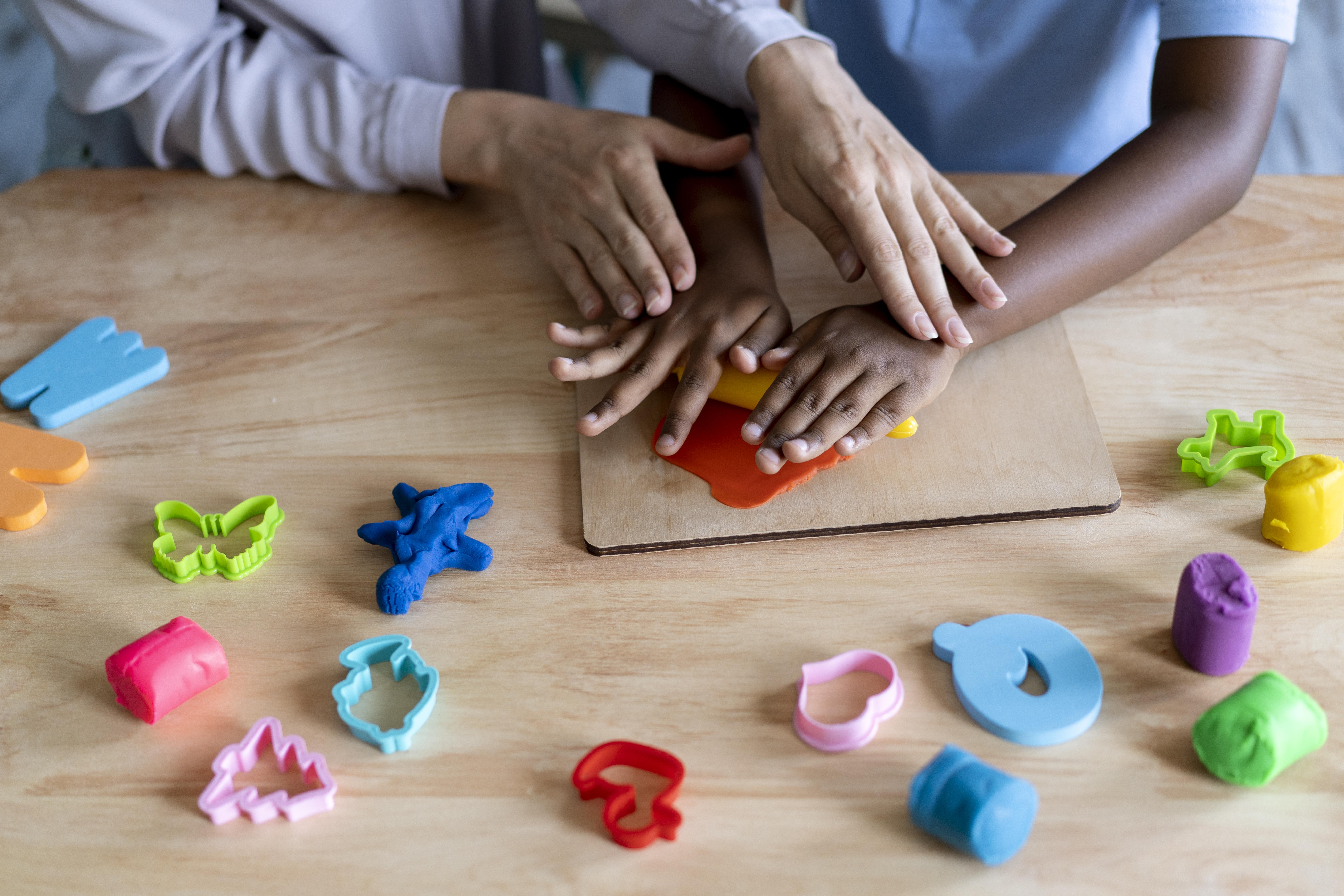
- Pumpkin slime or play dough with varying textures and gentle seasonal scents.
- Nature sorting bins filled with pinecones, acorns, and fabric leaves.
- Warm versus cool sensory bins—one with warm rice or beans, one with cool pebbles or beads.
Encourage talking about sensations as you play: “This feels rough,” “That’s smooth,” “This one’s cool on my hands.” Labeling sensory experiences builds body awareness and emotional vocabulary.
Supporting Emotional Regulation During Change
The sensory experience of November is intertwined with emotion. When sensory inputs become too intense, emotions escalate quickly. Teaching children self-regulation skills empowers them to notice their own sensory cues and respond before becoming overwhelmed.
Practical emotional supports include:
- Visual emotion charts: Let children point to how they feel using pictures or colors.
- Calm-down kits: Include fidget toys, a soft blanket, noise-cancelling headphones, and a calm visual aid.
- Breathing tools: Practice blowing bubbles, pretending to blow out candles, or using deep belly breathing techniques.
- Predictable cues: Use consistent verbal signals or timers to prepare for transitions.
A steady rhythm of predictability and choice helps children regain control amid sensory flux.
Family and Classroom Collaboration
Collaboration between parents, teachers, and therapists is essential during transitional seasons. Small environmental changes across settings can make a big difference.
At home:
- Keep consistent sensory spaces like beanbag corners or cozy tents.
- Minimize sudden environmental changes, like new décor or scents.
- Communicate with your child about what helps or doesn’t help.
At school:
- Inform teachers about your child’s cold-weather sensitivities or clothing preferences.
- Advocate for sensory breaks or quiet corners in classrooms.
- Suggest adjusting lighting or seating away from noisy heaters or vents when possible.
Together, families and educators can create a sensory-friendly bridge from autumn into winter—where children feel supported rather than surprised by change.
Activities to Help Kids Adjust Smoothly
Below is a set of sensory-based activities ideal for November routines:
- Morning body wake-up routine: Incorporate stretching, wall push-ups, or animal movements to prepare for new clothing sensations.
- Temperature tolerance play: Have children test mild temperature contrasts safely (warm to cool water) while describing how it feels.
- Walks of discovery: Explore nature trails, leaf piles, or breezy outdoor moments to connect sensory input with calming rhythms.
- Cooking together: Kneading dough, stirring soup, or organizing ingredients gives tactile, proprioceptive, and olfactory experiences under adult guidance.
- Weighted blanket wind-down: Use a warm, gentle compression to settle before bedtime or after busy afternoon transitions.
- Family “lighting” project: Let kids help choose evening lighting (lamps, nightlights, string lights) to create cozy visual comfort for darker months.
These activities combine sensory regulation, bonding, and mindful awareness—key ingredients for emotional resilience through seasonal transitions.
When to Seek Extra Support
While most sensory challenges can be managed through consistent routines, some children may continue to struggle. Families might notice persistent distress around temperature, significant clothing refusal, or meltdowns triggered by environmental change.
If so, consider consulting with:
- An occupational therapist experienced in sensory integration.
- A developmental pediatrician or psychologist for broader evaluation.
- A therapy center like It’s a Sensory World!—where individualized sensory programs help children thrive across seasons and environments.
Professional sensory assessments can identify precise sensitivities and yield structured plans for smoother adaptation.
Encouraging Positivity Around Change
Perhaps most importantly, help children view seasonal change as something to celebrate, not fear. Frame new sensations as discoveries rather than disruptions. Walk together, notice nature’s transformations, and highlight small comforts in the new season—cozy blankets, warm drinks, or shared family traditions.
Each sensory experience becomes an opportunity to teach resilience, self-awareness, and confidence.
Final Thoughts
The transition into late autumn challenges every sensory system—but with proactive planning and empathy, families can make it a season of connection rather than struggle. By recognizing how temperature, clothing, light, and routines influence sensory comfort, parents and educators can design environments where all children—especially those with sensory sensitivities—feel secure, confident, and ready to explore.
For families looking for individualized supports or hands-on sensory guidance, it’s a Sensory World! offers programs built around each child’s unique sensory needs. Through collaboration and creativity, every season can become an opportunity for growth, regulation, and joy.